The potential risk and challenge of “thermal runaway” lurks under the splen- dor of power batteries like an undercurrent.
Project Introduction
The potential risk and challenge of “thermal runaway” lurks under the splen- dor of power batteries like an undercurrent. With the continuous progress of technology and rapid expansion of the market, the energy density of power batteries has been increasing, and the range has been significantly extended, but at the same time, the requirements for thermal management have also reached an unprecedented high level. Once the internal temperature of the battery is out of control, it may trigger a chain reaction, which not only affects the performance of the vehicle, but also brings potential safety haz- ards and threatens the safety of people’s lives and properties.

Measuring Method
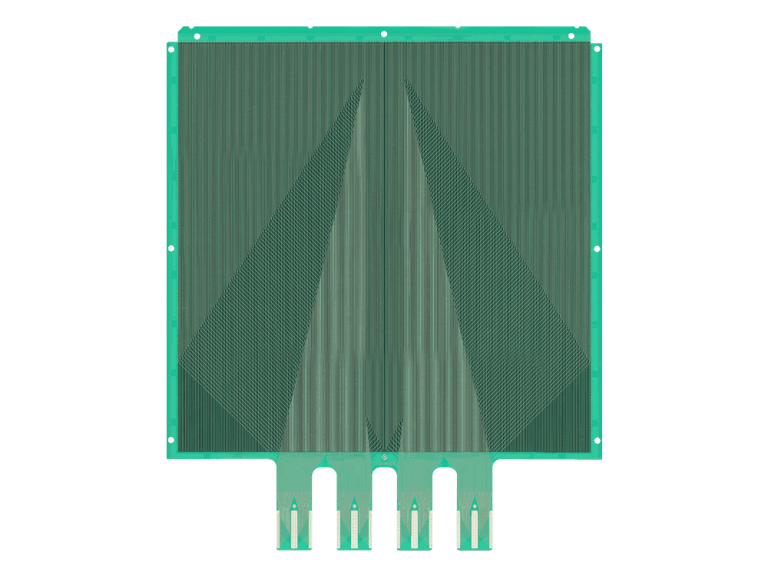
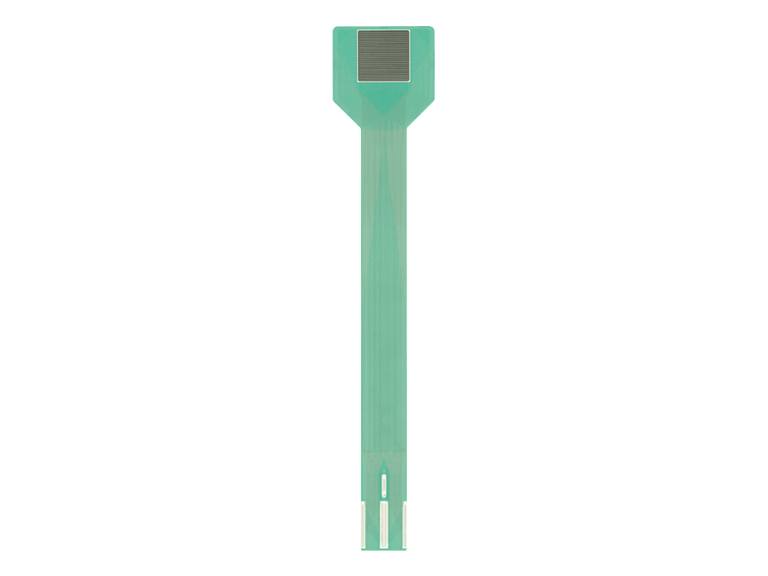
The battery is fixed in the tooling, and the heating plate and our sensor CN1619 are placed on both sides of the battery, and the battery is heated by the heating plate to simulate the state of thermal runaway of the battery, and when thermal runaway occurs, the heating device is turned off, the heating is stopped, and the battery is left to observe for 0.5 h. The battery is heated by the heating plate to simulate the state of thermal runaway of the battery.
Measurement Result
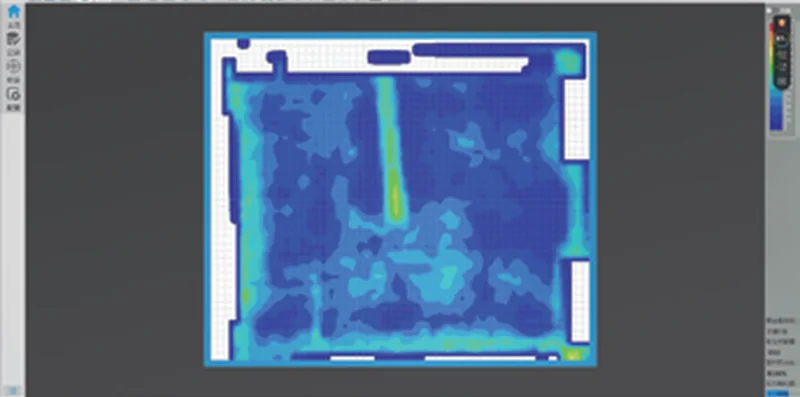
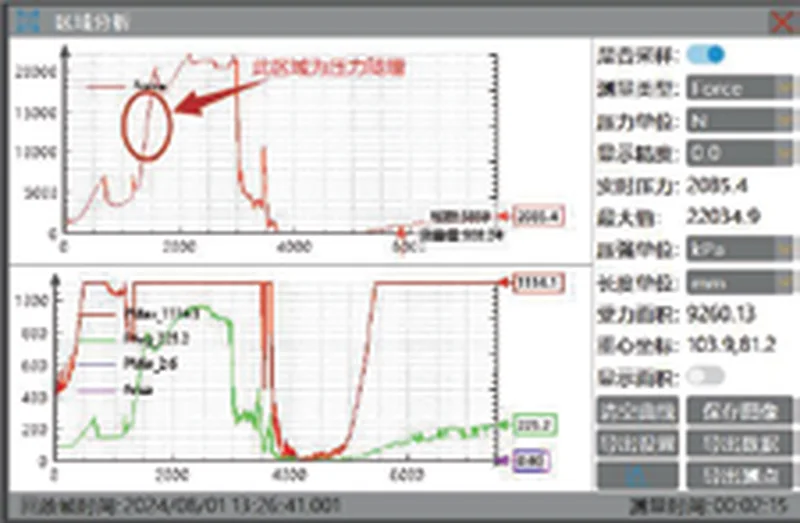
During thermal runaway, the value of pressure rises rapidly, so the growth rate of pressure is an appropriate warning signal. By using our pressure dis- tribution measurement system, customers are able to gain a more intuitive insight into the state of the cell during the thermal runaway process, which allows R&D personnel to further improve the battery safety by targeting cell problems.